Walk into any busy barbershop on a Friday and you will see the same dance. Clippers clean the cheeks, a razor resets the neckline, and for a day or two the jawline looks sculpted. By Monday morning, stubble creeps past the line again. That is the problem laser hair removal can solve for the face. Not by erasing the beard entirely, but by creating clean, lasting edges and smart density fades that save time and eliminate irritation.
I started offering facial laser hair removal in an era when most machines were designed for legs and underarms. The technology has matured, and the approach has laser hair removal near me Somerville become more nuanced. It is now common to use targeted laser hair reduction to shape beards, sharpen cheek lines, control neck growth, and thin dense patches without losing the ability to grow a full beard. The trick lies in planning, restraint, and an honest conversation about how hair behaves across skin types and over time.
What beard shaping with laser really means
Beard shaping with laser hair removal is not a single treatment. It is a tailored plan that can include a defined cheek line, a cleaned neckline, a tapered fade across the lower cheeks or neck, and selective reduction on the throat or under the jaw to tame ingrown hairs. Clients often want permanent hair removal along the high cheeks or low neck where they never want growth, and partial laser hair reduction in border zones to mimic a barber’s fade. The result is freedom from daily shaving in problem areas while keeping the style options open.
Facial hair is different from body hair. It is denser, more hormonally responsive, and often mixed in color and diameter. A classic full body laser hair removal plan does not translate directly to the face. For beards, we talk in millimeters, not centimeters, and in gradients, not all or nothing.
Who is a good candidate
If you shave or shape your beard two to five times a week just to keep the lines neat, you are likely a candidate. The ideal pairing for fast, effective laser hair removal on the face is darker, coarse hair against lighter skin. That contrast allows the beam to target melanin in the hair shaft while sparing the skin.
Good candidacy is not limited to that contrast. Advanced laser hair removal systems let us treat a broad range of complexions. Nd:YAG wavelengths, for instance, travel deeper and interact less with epidermal melanin, making safe laser hair removal for darker skin tones possible when parameters are set correctly. For lighter, finer facial hair, results are more modest and require patience, but density and ingrowns can still improve. People with very blond, red, gray, or white hair have less pigment in the shaft, which limits response. In these cases, I set expectations toward thinning and reduced irritation rather than dramatic clearance.
I pay extra attention to acne prone skin, active dermatitis, or a history of keloids or hyperpigmentation. Laser hair removal for acne prone skin can help by reducing folliculitis and shaving trauma, but we need to sequence treatment around active breakouts and adjust energy to avoid flares.
Mapping the line, fade, and style
I ask clients to arrive unshaven for the first laser hair removal consultation. The natural pattern shows where the beard wants to grow, where eddies of hair misbehave, and how your barber lines you up. I will draw the proposed cheek line and neckline with a surgical skin marker, sometimes on both sides of your face to compare symmetry. We then agree on what is permanent and what should be a fade.
For cheek lines, most men benefit from a gentle arc that follows the zygomatic contour rather than a razor-sharp diagonal that cuts across facial expression. Laser makes the arc repeatable and stable. On the neck, I tend to set the line at one to two fingers above the Adam’s apple, curving up to meet the jaw angle, then fading up the underside of the jaw a few millimeters to avoid a harsh shelf. If you wear a heavy beard, we taper density rather than creating a perfect line under the jaw. That avoids a makeup-line effect once the beard is trimmed shorter.
Density reduction is an art. I might treat every hair in a 1 centimeter strip below the cheek line to near-complete clearance, then treat every other hair in the next 5 millimeters, and every third hair below that. We can simulate this with a single pass at lower fluence or with intentional skip-spacing. That technique gives you a barber’s fade without the weekly labor.
What to expect from the laser hair removal procedure
A typical beard shaping plan includes six to ten laser hair removal sessions spread roughly four to eight weeks apart. Facial hair cycles quickly, and early treatments are often spaced at four weeks for men with fast growth, then extended as hair becomes sparser. Each session for line work may take 10 to 20 minutes, while full lower face and neck can run 20 to 35 minutes, including setup and cooling. Quick laser hair removal is real when the mapping is clear and the operator is practiced.
We begin with goggles for eye protection, shave or trim as needed to a 1 millimeter length, clean the skin, and perform a test pulse if it is your first time or if the settings have changed. The sensation feels like the snap of a hot rubber band. For most people, it is tolerable with chilled air or a cooling tip. For very sensitive areas like the upper lip or Adam’s apple, a topical anesthetic can be used, although it often is not necessary. Many clinics market painless laser hair removal. Pain thresholds vary, and facial hair carries more sensation than legs or back. With cooling, the discomfort is brief and manageable.
During the passes, you may smell singed hair. Hairs in active growth absorb energy and weaken at the root. Some will pepper out immediately, others shed over one to two weeks. The beard will look patchy for a short period, which is why we lean on fades that camouflage the process.
Devices and parameters that matter
There are three primary wavelengths used for facial laser hair removal. The best laser hair removal device is the one correctly matched to your hair and skin, handled by someone who knows how to set it.
- Alexandrite, 755 nm. Efficient for light to medium skin with dark hair. Fast repetition rates make it popular for cheeks and neck. Higher melanin absorption demands careful test spots on olive or tanned skin to avoid post inflammatory hyperpigmentation. Diode, around 800 to 810 nm. Versatile and powerful, a staple in many medical laser hair removal centers. Suitable for a range of skin types with robust cooling. Often my first choice for dense, coarse beard hair on fair to medium complexions. Nd:YAG, 1064 nm. The go-to for laser hair removal for dark skin because it penetrates deeper with less epidermal melanin absorption. It requires higher fluence and precise technique to be effective on coarse hair, and the pulse width must be matched to hair thickness.
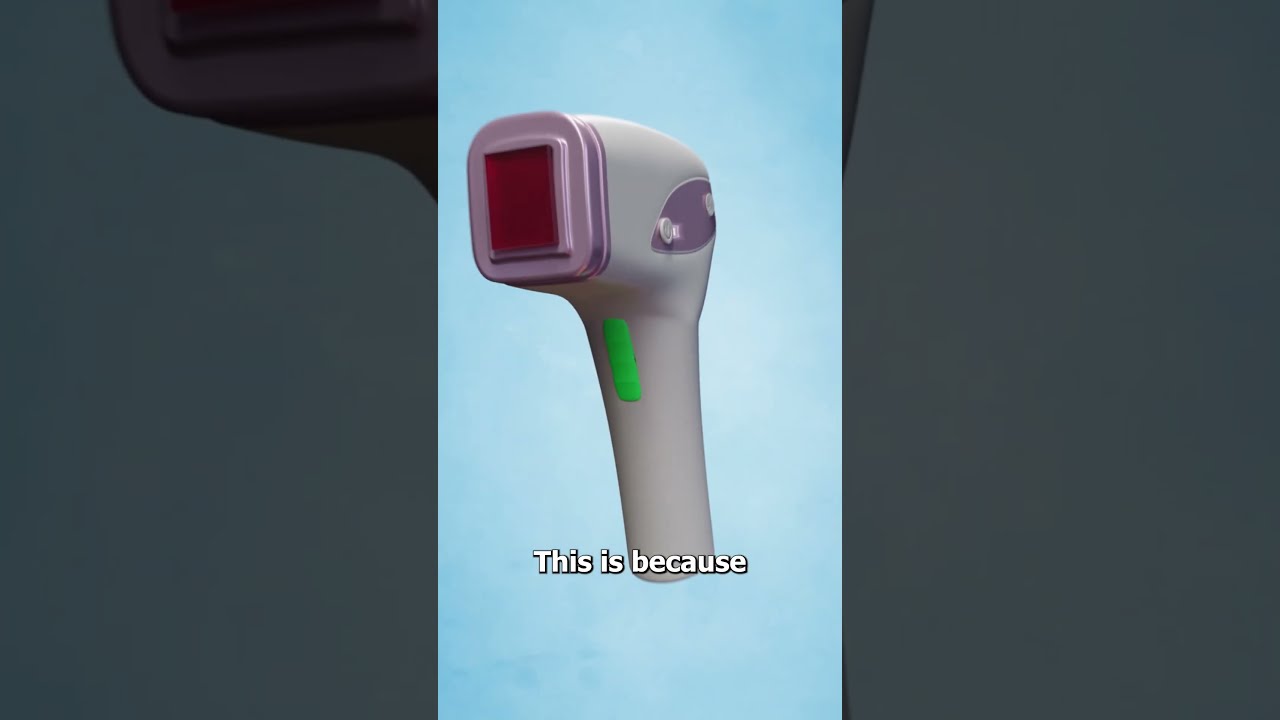
Some clinics use hybrid platforms that combine Alexandrite and Nd:YAG in one handpiece, switching mid-treatment if needed. The laser hair removal machine is a tool. Settings, spot size, pulse duration, cooling method, overlap strategy, and operator judgment decide your results. That is why a laser hair removal specialist or dermatologist with facial experience is worth seeking out, not just the nearest med spa advertising laser hair removal deals.
Results, permanence, and maintenance
Permanent laser hair removal on the face is better described as long lasting hair removal or permanent hair reduction. Follicles destroyed during growth phase do not regenerate, but not every follicle is in active growth during any given session. Hormones can awaken dormant follicles over time, especially in the beard zone. A realistic outcome for line work is 80 to 95 percent reduction along the cheek line and upper neck after eight or so sessions, with annual or semiannual touch ups to catch new growth. The dense chin and mustache area usually retains more hair. If your goal is a crisp cheek and neck with a natural fade, that margin is a feature, not a bug.
For those wanting full beard clearance, plan on more sessions and a frank talk about how your face will look without hair. Complete facial laser hair removal is possible on select candidates, but it magnifies risks like textural change and pigment issues, and it removes style flexibility. Most men prefer laser hair removal for beard shaping over total removal.
Safety, side effects, and smart precautions
Safe laser hair removal relies on correct selection, conservative test spots, and aftercare. Immediate effects include redness and follicular edema that looks like gooseflesh, which settles within hours to a day. Temporary darkening or lightening can occur, especially on tanned or darker skin, and usually resolves. Blistering is rare when protocols are followed. The two issues I watch closely in beards are pigment change from treating over recent sun exposure, and paradoxical hypertrichosis, the unusual stimulation of vellus hairs into thicker growth at the margins. The latter is uncommon but more likely on the face in men and in those with Mediterranean or Middle Eastern backgrounds. We minimize it by using sufficient fluence, proper overlap, and avoiding repeated low energy passes that warm skin but do not disable follicles.
For those with a history of cold sores, we pre treat with antiviral medication if we are working near the lip line. If you suffer from ingrown hairs or razor bumps, laser hair removal for ingrown hair can cut flare frequency by half or more after a few sessions, easing inflammation on the throat and jawline. Acne can improve when shaving frequency drops, but occlusive topical anesthetics or heavy post care balms can clog pores, so we choose breathable products.
Here is a short, practical checklist I give beard clients to keep the experience smooth:
- Avoid sun and self tanner on the face and neck for two weeks before and after each session, and use broad spectrum SPF 30 or higher daily. Shave the treatment areas the day of or the evening before your appointment, unless instructed otherwise for mapping. Skip retinoids, exfoliants, and scrubs on the treatment zone for three days before and after. Ice or cool packs help with warmth afterward. Use a gentle, fragrance free cleanser and a light moisturizer. Do not pluck or wax between sessions. Shaving is fine. Let shedding hairs fall out naturally over one to two weeks.
The craft of symmetry
No one’s face is symmetrical. Left and right sides grow differently, and dominantly handed shaving can bias lines. The advantage of professional laser hair removal is the ability to measure and lock symmetry over months. I often photograph before and after in standardized lighting and head position, then adjust marker lines by a millimeter or two across sessions. That course correction is rarely possible with a home routine.
I also recommend clients keep a final barber visit before their first or second laser session. Have your barber set your favorite cheek and neck lines one last time, then we replicate that shape under laser guidance. It is a satisfying way to blend craft barbering with medical technology.
Cost, packages, and value
Laser hair removal cost for beard shaping varies by market and by how much we treat each session. In major cities, cheek line and neckline work might range from 150 to 300 per session. Full lower face and neck commonly sits between 250 and 500 per session. Laser hair removal packages are often priced as six to eight sessions, with laser hair removal offers for bundles or a monthly plan or subscription that spreads payments and includes touch ups. Affordable laser hair removal does not have to mean cheap laser hair removal, but beware of rock bottom pricing tied to rushed treatments and underpowered settings that lengthen the process. Look for a laser hair removal clinic or skin clinic with documented laser hair removal before and after photos of beard shaping cases, not just legs or underarms.
Remember to factor time saved and reduced grooming products over years. Clients who used to shave their neck daily often report five to eight minutes saved every morning, along with fewer razor cartridges and less irritation. The math adds up quickly for professionals who need to stay camera ready or anyone who values a clean neckline without effort.
Style case notes from the chair
A software engineer in his late twenties came to our laser hair removal center with a thick beard he loved, but cheek fuzz kept creeping toward his eyes. We mapped a gentle cheek arc, treated a 1 centimeter band to near-complete removal, then faded 5 millimeters below. Using diode laser hair removal at moderate fluence with chilled air, he needed eight sessions. Two years later, he swings by once a year for a small touch up near the sideburn where new growth appeared. He shaves cheeks once a week now instead of every second day and spends zero time worrying before client demos.
A chef in his forties struggled with cystic bumps on his neck from constant sweating and masking. He did not want to lose his goatee, just the jungle below it. With Nd:YAG laser hair removal for his Fitzpatrick V skin, we cleared the low neck completely over ten sessions, then thinned the area under the jaw. His flare ups dropped by more than half after session three, and by session six he told me he could wear a fitted collar again without pain. The style is unchanged to the average eye, yet the skin is calm.
A model needed absolute consistency for commercial shoots, with a crisp but soft jaw shadow. For him, we used alexandrite for speed on fair skin to carve a clean line at the high cheek, then treated the undersurface of the jaw at lower density. He can grow a uniform three day stubble without wayward hairs poking above the line. His agent calls it low maintenance continuity, and it matters in retouching time.
Comparing to other methods
Traditional shaving and barbering are immediate and flexible, but they demand constant input. Waxing the face is rarely pleasant and risks ingrown hairs as blood flow and follicle angle work against smooth pulls. Threading is precise for a cheek line, yet it is temporary and more practical for eyebrows than beards. Depilatory creams are quick, but they can burn sensitive neck skin and worsen folliculitis. Electrolysis remains the gold standard for permanent hair removal on individual hairs, especially light or white hairs that lasers cannot see, but it is slow for large areas and costly for complex shaping. Hair removal with laser bridges speed and longevity. It is a high tech treatment with a medical backbone, best done in a trusted clinic that views it as a skin treatment, not just a grooming shortcut.
Special situations: hormones, teens, and women
Hormonal hair growth can change the plan. Men on testosterone therapy may see new facial hair sprout even after clearance. In those cases, I plan maintenance sessions at regular intervals to stay ahead of activation. Teenagers with thick early beard growth can be treated safely if they are committed to aftercare and realistic about ongoing sessions as hormones surge. I counsel them and their parents that early work can tame ingrown hairs and set clean habits, but more sessions and later touch ups will be needed as the beard matures.
Women sometimes request facial laser hair removal along the sideburns, chin, or upper lip, or to clean a sharp cheek line when they wear a deliberate short style. The same rules apply. Laser hair removal for women on the face responds well to targeted treatment, but we screen for causes like PCOS that might drive persistent growth and propose a maintenance schedule.
Session rhythm and the first six months
The first two sessions feel like decluttering the edges. Shedding kicks in after 7 to 14 days. By session three, the cheek line starts to look reliable, and ingrowns recede if the neck is included. Session four or five is where most clients say the process shifts from a chore to a habit they would recommend. This is also where I fine tune the fade. If the line looks too stark against your beard length, we soften the next pass. If stray hairs are still peeking, we tighten the border by a few millimeters. A professional laser hair removal plan is iterative. The laser is consistent. Hair biology is not. Adjustments are a sign of attention, not failure.
Choosing the right provider
When searching for a laser hair removal clinic near me, focus on outcomes and expertise, not only convenience. Ask these questions in your laser hair removal consultation: Do you routinely treat male beards and beard laser hair removal, not just underarm laser hair removal or leg laser hair removal? Which devices do you use for different skin types? Do you perform test spots? How do you handle pigment changes if they occur? Can I see facial laser hair removal before and after images, specifically cheek and neck lines?
Look for a laser hair removal dermatologist or a laser hair removal expert at an aesthetic clinic who understands both hair and skin. A med spa can be excellent if it employs skilled operators and uses medical laser hair removal protocols. Trusted clinics document settings, map each session, and take a conservative approach on the face. The best laser hair removal experience feels collaborative and unrushed.
Aftercare and living with the fade
Your skin will be slightly warm for a few hours after a session. Skip the gym sauna or a hot yoga class that day, and keep your collar clean to avoid friction. Shave as needed but expect less demand as sessions progress. For aftercare, bland is best. A gentle cleanser, a noncomedogenic moisturizer, and daily sunscreen form the base. If you develop a small breakout, a dab of a mild benzoyl peroxide or salicylic acid spot treatment is fine after the first 48 hours. Hyperpigmentation risk rises with sun, so plan treatments outside of a beach vacation or heavy outdoor season. For work that demands daylight exposure, high SPF and a hat make a difference.
One implementation detail that clients miss at first is beard length management. A laser sculpted cheek line looks best when the beard above it is trimmed to match. If you wear a heavy beard, a quick pass with a guard along the line maintains the fade, using the laser crafted border as your guide. That rhythm stabilizes around month four.
Integrating laser into a broader grooming plan
Laser is not an isolated decision. It sits alongside regular barber visits, skincare, and your personal style. I have clients who do chest laser hair removal in summer for a cleaner collar line, then return to beard shaping in fall. Others fold in back laser hair removal or underarm laser hair removal as a comfort upgrade once they see the value. For those juggling multiple zones, laser hair removal packages full body or mix and match bundles can be negotiated with a clinic to manage the laser hair removal price across seasons. A professional laser hair removal service that tracks your schedule can cluster sessions to cut travel time and drop-ins. The goal is a plan that feels like maintenance, not disruption.
Common myths, gently corrected
Laser is not only for women. Laser hair removal for men is one of the fastest growing segments in clinics, particularly facial work and back or shoulder cleanup. It is not just for light skin either. Laser hair removal for dark skin is safe in skilled hands with the right wavelength and settings. It is not instantly permanent. Hair biology sets the tempo. You will need multiple laser hair removal sessions and likely some form of maintenance. It is not inherently dangerous. Laser hair removal safety data spans decades when protocols are followed, and modern platforms include robust cooling and monitoring.
Laser is also not purely cosmetic. For many, it solves a medical nuisance. Chronic pseudofolliculitis barbae on the neck, hidradenitis friction points under the jawline, or recurrent folliculitis can all improve dramatically with effective laser hair removal.
Final thoughts from the treatment room
Shaving takes minutes, but it asks for them again every day. Laser hair removal for beard hair removal in Somerville shaping asks for those minutes up front, in planned sessions over a few months, and then it mostly stops asking. The payoff is a line that looks like you had a steady handed barber on call, a fade that feels natural at different beard lengths, and skin that forgives you for canceling your daily duel with a blade.
The best results come from a simple formula. Pick a trusted clinic with experience in facial laser hair removal. Map your goals clearly, permanent clearance here, a gradient there. Choose technology that fits your skin and hair. Respect aftercare. Be patient for a handful of visits while biology catches up to your plan. Whether you are a clean cut professional who wants a reliable cheek and neck line, a creative who changes beard length with the project, or someone who just wants to stop battling ingrowns, there is a version of laser hair removal that will fit your face and your life.