The first time I watched stubborn underarm hair vanish after a series of laser hair removal sessions, I thought we had found magic. A client who had battled ingrowns for years sent me a photo of her workout tank from a summer run, no shadow, no bumps, just clear skin. Then she returned six months later with a few fine strays. Not failure, simply biology. The trick is knowing how to work with that biology so results last as long as possible.
What follows is practical guidance from the chairside level. I cover how laser hair reduction actually works, what gives you the longest runway between touch ups, and where people waste money. If you are comparing a laser hair removal clinic near me to a medical practice across town, you will leave with the right questions to ask and realistic expectations for your skin and hair type.
What laser hair removal can and cannot do
The term permanent hair removal gets thrown around casually. In a medical context, permanent laser hair removal really means long term stable hair reduction. We can disable a substantial portion of follicles that produce thick pigmented hair. The percentage varies by area, device, and biology. Most people see a 60 to 90 percent reduction after a full course of sessions. The remaining hair often grows back finer and slower. For some, especially in hormonally sensitive areas like the face, maintenance becomes part of grooming once or twice a year. That is a fair trade for most because shaving time drops, skin texture improves, and ingrown hair disappears.
Results are best when the hair is dark enough to absorb energy and the skin is light enough to be spared. But newer technology has widened the window. Nd:YAG lasers can safely treat darker skin tones when used properly, and advanced diode systems with real time cooling work efficiently on many skin types. What we cannot treat well are white, red, or very blonde hairs. Those lack melanin and do not respond. Electrolysis can target that last 10 percent if you want every single hair gone.
How the technology disables follicles
Laser hair removal treatment relies on selective photothermolysis. The beam seeks melanin in the hair shaft, converts to heat, and diffuses into the follicle to damage the growth center. That only works well when the hair is in the active growth phase. At any moment, a minority of your hairs are in that phase. That is the core reason you need multiple laser hair removal sessions spaced weeks apart. We are catching cycles.
Different wavelengths have different sweet spots:
- Alexandrite laser hair removal, at 755 nm, targets melanin efficiently and is fast on lighter skin types with dark hair. It can overshoot on dark skin, so operator judgment matters. Diode laser hair removal, typically 805 to 810 nm, penetrates well and suits a wide range of skin tones, with excellent cooling for comfort. Many full body laser hair removal systems are diode based because they cover large areas quickly. Nd:YAG laser hair removal, at 1064 nm, penetrates deeper and is safer for dark skin because melanin absorption in the epidermis is lower at this wavelength. It demands precise settings and experienced hands, especially for facial laser hair removal and areas prone to post inflammatory hyperpigmentation.
A professional laser hair removal provider adjusts fluence, pulse duration, and spot size to match your hair color, follicle diameter, and skin tone. Good machines deliver consistent energy, good clinicians choose settings that heat the target without collateral damage, and good patients follow prep and aftercare that allows those follicles to stay injured and not recover.
What determines how long results last
Four drivers set the baseline.
First, hair biology. Coarse, dark hair on the underarm or bikini area responds quickly and often stays quiet for long stretches. Fine facial hair may thin but not vanish, and it is more reactive to hormones. Back and shoulders for men often need more touch ups because of robust follicles and androgen influence. Areas with dense follicles can show striking laser hair removal before and after photos, yet also sprout a few patches down the road if hormones shift.
Second, skin tone and hair contrast. High contrast delivers heat where you want it. Low contrast, such as olive skin and medium brown hair, still works with the right device and settings but margins are narrower and safety is paramount.
Third, hormones. Puberty, pregnancy, menopause, testosterone therapy, polycystic ovary syndrome, thyroid changes, and certain medications can wake dormant follicles or push fine hairs to thicken. You can do everything right and still need extra maintenance if your hormones are in motion.
Fourth, execution. A laser hair removal specialist who uses complete treatment coverage, overlaps passes correctly, and calibrates fluence by area will push your results further. I have seen the same client achieve different outcomes on the same skin and hair with two providers. Technique shows up months later.
Preparing your skin so each session counts
Clients love to talk about laser hair removal cost and how many sessions they will need. Preparation determines both. You get more follicles disabled per session when the laser has a clean shot and the skin is calm. Here is a short pre session checklist that improves longevity:
- Shave the area 12 to 24 hours before your appointment. Leave the follicle intact, remove surface hair only. Avoid sun exposure, self tanner, and tanning beds for at least 2 weeks. A tan narrows your safety window and forces conservative settings. Stop retinoids, glycolic acids, and harsh scrubs on the treatment area 3 to 5 days prior to prevent sensitivity. Disclose medications and supplements at your laser hair removal consultation. Isotretinoin, photosensitizing antibiotics, and some herbs change risks and timing. Skip waxing, plucking, or threading for at least 4 to 6 weeks beforehand. We need the root in place for the laser to work.
When clients skip shaving, energy is wasted on the shaft, not the follicle. When they arrive tanned, we lower settings to protect pigment, which can stretch the number of laser hair removal sessions you need and shorten the durability of results.
Inside the appointment: details that matter
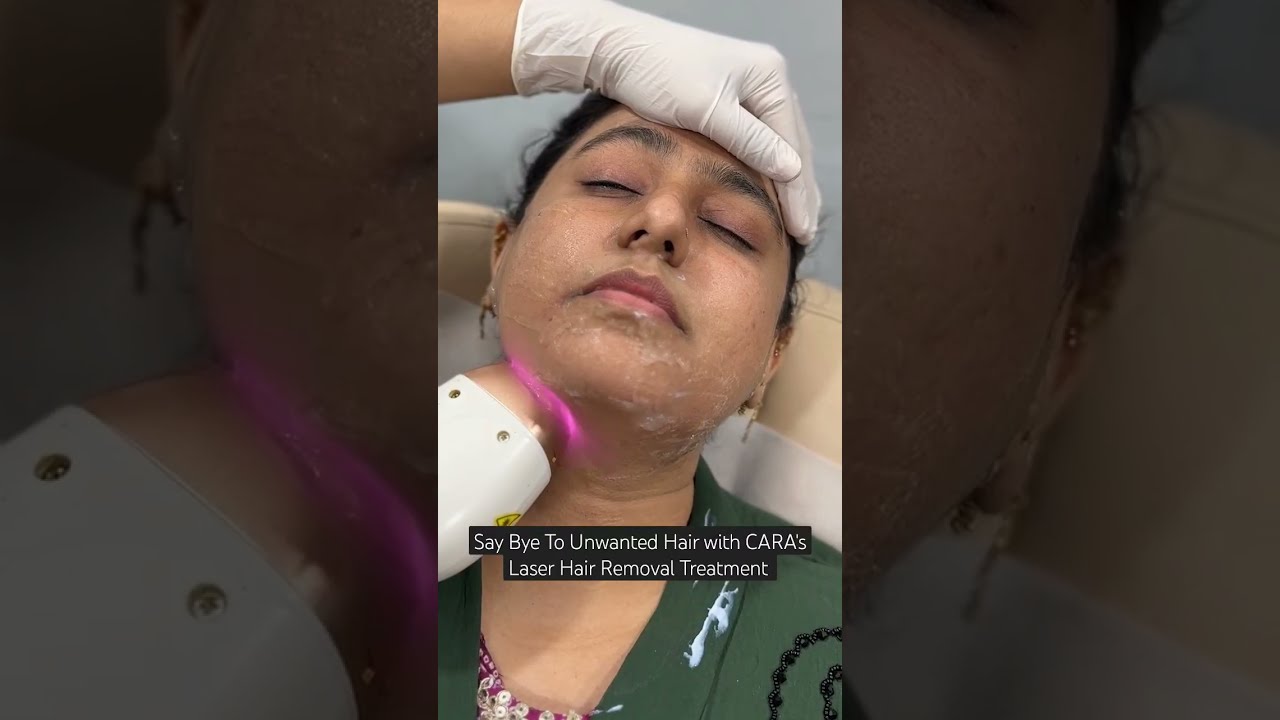
Expect the provider to mark or mentally map the area, use cooling gel or integrated contact cooling, and adjust settings based on a test pulse and skin response. You should feel heat and a quick snap. Perifollicular edema, those tiny donut bumps around follicles, is a good sign the target absorbed energy. That swelling should fade within hours.
Hair density and hair diameter guide pulse duration. Coarse hair likes shorter pulses. Fine hair in the wrong hands can be treated too gently and only partially injured, which may trigger paradoxical hypertrichosis in rare cases, especially on the face. When I treat upper lip laser hair removal, I prefer conservative fields and clear endpoints rather than chasing every baby hair. You will reduce shadow without recruiting new growth.
Cooling is more than comfort. It protects the epidermis so we can use settings that reach the bulb and bulge where the stem cells live. Advanced laser hair removal machines have contact or cryogen spray cooling. Topical numbing can help in sensitive areas like brazilian laser hair removal, but it can also mask feedback. Communicate with your provider if something feels sharply painful or lingers as burning.
Aftercare that extends results
Think of the follicle as heat injured tissue that needs a calm environment to shut laser hair removal near me Somerville down completely. Friction, heat, and inflammation immediately after your laser hair removal procedure can nudge follicles to recover.
Use this brief post care plan for the first 48 to 72 hours:
- Apply cool compresses or a gentle aloe gel if warmth persists. Avoid heavy occlusives that trap heat. Skip hot showers, saunas, workouts that cause chafing, and tight fabrics on treated areas for a day. Use a bland moisturizer and mineral sunscreen on exposed skin. No retinoids or acids for 3 to 5 days. Do not tweeze or wax shedding hairs. They often work their way out over 1 to 3 weeks. Watch for signs of a burn or blister. If that occurs, pause treatment and see your provider for care instructions.
Two weeks after, you can exfoliate lightly to lift dead hair and prevent ingrowns. For clients prone to folliculitis, I sometimes suggest a low dose benzoyl peroxide wash a few times per week after healing. Treat your skin like it had a mild sunburn, and you will preserve the injury where you want it.
Building a schedule that holds
Spacing matters. Too soon, and you catch the same population of follicles. Too late, and many are back in anagen with thicker shafts. A common rhythm is every 4 to 6 weeks for facial laser hair removal and every 6 to 8 weeks for body areas like leg laser hair removal and arm laser hair removal. Underarm laser hair removal usually responds quickly, often showing visible shedding at 10 to 14 days and significant growth delay by session two or three. Back laser hair removal for men runs slower, with more sessions and periodic boosters.
Most people need 6 to 10 sessions for a meaningful reduction. Some finish sooner on certain areas, some need more if hair is fine, dense, or hormonally driven. Touch ups extend results. A good rule of thumb is to return when you notice new dark hairs you would otherwise shave weekly. That might be once every 6 to 12 months for underarms, once every 3 to 6 months for the chin, or every 12 to 24 months for legs. If a clinic sells a laser hair removal subscription, check that maintenance sessions are spaced sensibly and that you can pause during summer or travel.
Special considerations for different skin tones
Laser hair removal for dark skin can be safe and effective with the right device and parameters. Nd:YAG is the workhorse here because epidermal melanin absorbs less at 1064 nm, which keeps surface skin safer while still reaching follicles. Settings should respect your Fitzpatrick type, recent sun exposure, and any history of pigment changes. Expect conservative first sessions with careful observation. Many of my darkest skinned clients achieve excellent results on underarms and bikini with a YAG platform, while legs sometimes need patience and lower fluence to protect shins from pigment shifts.
For light skin, alexandrite and diode both work well. If your hair is very fine and light brown, managing expectations is key. You will likely see slower progress, and the endpoint might be reduction rather than true clearing. Avoid chasing every vellus hair on the face. Those tiny hairs are poor candidates for laser and can paradoxically thicken if treated aggressively.
Navigating facial hair, private areas, and body zones
Chin laser hair removal is tricky because of hormones. I always take a medical history. If you have irregular periods, acne, or coarse hair sprouting on the chin and neck, talk to your dermatologist or primary care provider about screening for PCOS or other endocrine shifts. Laser can manage the hair, but hormones set the pace. An antiandrogen or insulin sensitizer may stabilize things and stretch your laser results.
Bikini laser hair removal and brazilian laser hair removal respond quickly, but the skin is reactive. Expect redness for a day, sometimes two. I advise breathable underwear and fragrance free products during the healing window. For hair removal for private parts, experienced operators adjust fields with care to avoid mucosal surfaces, maintain hygiene, and prevent overlap burns.
Leg laser hair removal takes time because of the surface area and slower hair cycles. You will love the payoff if you hike, swim, or wear shorts often. Many clients go from shaving every other day to a quick weekly check for strays after a full course. Arm laser hair removal is often a matter of personal preference. If your hair is dark and dense, results are satisfying. If it is light and fine, consider whether thinning meets your goal.
Beard laser hair removal and laser hair removal for beard shaping can carve clean lines on the neck and cheeks. The follicles are coarse and responsive, which means fewer sessions and long intervals between touch ups. I warn men about transient acne like bumps if they are prone to folliculitis. A gentle benzoyl peroxide wash post exercise helps.
Comfort and safety without drama
Safe laser hair removal respects two boundaries: your skin barrier and your pigment. Expect transient redness and swelling around follicles for hours, sometimes a day. That is normal. A sunburn sensation is common. Burns, lasting welts, or blisters are not acceptable endpoints. The risk climbs with recent sun, higher Fitzpatrick types treated with short wavelengths, and aggressive stacking of pulses in one spot.
Painless laser hair removal is a marketing phrase. Realistically, you will feel heat and a snap, especially in coarse hair areas. With good cooling and proper technique, discomfort is manageable. I prefer communication over strong topical anesthetics except for small sensitive zones. If the clinic uses ice rollers or a chiller, that is a bonus. Quick laser hair removal does not mean careless. Fast laser hair removal systems cover ground, but the operator still needs precise overlap and attention to edges.
If you take photosensitizing medications, postpone. If you have active infections, eczema flares, or a history of keloids in the treatment area, get medical clearance. For acne prone skin on the face, coordinate timing with any peels or microneedling so your barrier stays intact. Laser hair removal benefits often include fewer ingrown hairs and smoother texture, but only if we protect the skin on the way there.
Choosing a provider who maximizes longevity
A trusted clinic blends equipment, training, and judgment. Fancy marketing about latest laser hair removal means little if fluence is timid or overlap is sloppy. Ask three questions during a laser hair removal consultation: Which machines do you use and why for my skin and hair type? How do you set parameters, and can you show me a patch test response? What is your plan for maintenance and what does it cost?
Affordability is about value, not the cheapest sticker. Cheap laser hair removal can get expensive when you need fifteen sessions instead of eight because settings are conservative or staff turnover is high. Affordable laser hair removal can mean fair pricing, clear laser hair removal packages, transparent laser hair removal deals during off peak hours, and honest guidance about expected outcomes. A laser hair removal center with medical oversight, machine logs, and documented training tends to deliver consistent results. If you are searching laser hair removal near me, read reviews that mention long term follow up and laser hair removal results six months out, not just immediate shedding.
Pricing varies widely by region and provider type. A small area like upper lip might run from modest to mid range per session, with package discounts that bring it lower. Full body laser hair removal or packages full body can be bundled as monthly plans when clinics offer a laser hair removal subscription. Always compare apples to apples: number of sessions included, allowable rescheduling windows, and maintenance rates. Ask whether touch ups are billed per pulse, per minute, or per area, and how long the package is valid.
Setting a smart maintenance plan
Longevity comes from catching new hairs before they reestablish dense coverage. Keep a simple log. Note when you feel the need to shave, not just when you spot a few hairs. If your shave frequency jumps from once a month to once a week on an area that had been quiet, schedule a touch up. Treating early usually means a shorter appointment and longer interval to the next best Somerville laser clinic one. If you go too long and the area returns to baseline, you may need a mini series of two or three sessions to reset.
People with hormonal drivers do best with a standing plan. For example, a client with PCOS who manages her cycle with medication may do chin and neck touch ups every 12 weeks. A man with dense back hair might do two sessions each spring for a few years to keep density low. A postmenopausal client may hold her legs with one session a year due to overall slowed growth.
How to tell if your results are on track
Do not rely on memory alone. Take clear, consistent photos once a month in the same lighting, distance, and angle. Track shave frequency. If you are not seeing shedding at 10 to 21 days after early sessions, ask your provider to reassess fluence or coverage. If redness lasts more than three days or pigment darkens in patches, pause and let your skin settle before resuming at safer settings.
Laser hair removal before and after imagery can be instructive, but remember photographers pick the best responders. Your progress chart and lived experience, especially the drop in irritation and time spent grooming, matter more.
Dealing with outliers, fine hair, and gray hairs
Fine hair has less melanin and a thinner shaft, which means less heat delivered to the follicle. On forearms and faces, that sometimes yields modest thinning rather than clear patches. You will still likely feel the benefit in texture and ingrown reduction. For truly gray or white hairs, electrolysis is the gold standard. Think of laser for bulk reduction and electrolysis for detail work, especially around the chin or jawline where one or two opaque whites can catch the light.
Paradoxical hypertrichosis, where fine hair thickens after treatment, is rare but more common in the face and neck with aggressive settings on vellus hair. Prevention is better than correction. Conservative fields, appropriate wavelengths, and realistic endpoints minimize the risk. If it occurs, switching to a different wavelength or spacing, and in some cases combining with medical therapy, can calm things.
Why seasons, skincare, and workouts matter
Sun exposure narrows your margin for safe energy delivery. Plan your series to finish before peak summer if you are a beach person. For those who cannot avoid sun, prioritize areas that are easily covered, like underarms and bikini, and delay legs until fall.
Skincare can help or hinder. Daily mineral SPF on exposed areas during a series is non negotiable. Gentle exfoliation two weeks after a session reduces trapped hairs. Retinoids and chemical exfoliants are powerful tools in general skin health but pause them around treatment days to protect your barrier.
Exercise is part of many clients’ lives. Sweat itself is not a problem, friction is. Runners who do thigh treatments should choose loose shorts and avoid long runs the day after. Weightlifters getting chest laser hair removal or back laser hair removal should swap barbell back squats for a couple of days if the bar rubs the treatment zone.
When to take a break and when to pivot
Skin tells the truth. If you experience persistent discoloration, recurrent crusting, or an unusual pain response, cool off. Let your provider evaluate, adjust settings, or consider a different wavelength. If you have repeated poor shedding despite good prep and proper settings, revisit the diagnosis. Light hair, a recent tan, or medications may be reducing efficacy. Sometimes switching devices within the same clinic from diode to Nd:YAG or alexandrite yields a fresh response. For a small percentage of clients with mostly white hairs or diffuse vellus, electrolysis or a hybrid approach is the better strategy for permanent hair removal on target hairs.
Pulling it together for lasting results
You will get the most out of advanced laser hair removal by pairing three elements: a thoughtful provider, a cooperative schedule, and simple discipline around prep and aftercare. The provider chooses the right laser hair removal machine and parameters for your skin tone, maps coverage without gaps, and confirms good endpoints. The schedule respects growth cycles by area, not a one size calendar. The discipline is not glamorous, but it is decisive. Show up shaved, keep your skin out of the sun, moisturize, protect your barrier, and log your shave frequency so you time maintenance well.
Laser hair removal for women and laser hair removal for men share the same physics. The details differ by hormones, skin tone, and target areas. When you weigh laser hair removal price against time saved and skin comfort gained, the value tends to rise each year you maintain it. A coherent plan saves money. Packages can be smart if they include enough sessions for your area and skin type and if maintenance sessions are priced sensibly. Piecemeal pay per session is often best for small facial zones that need occasional touch ups. No single model is the best laser hair removal plan for everyone. The best plan is the one that accounts for your biology, your calendar, and your threshold for upkeep.
Clients often tell me they wish they had started sooner. I get that sentiment after watching them walk in from a summer run, no razor burn, no bumps, no second thoughts about a tank top. Perfect clearing is not the point. Easier grooming, calmer skin, and long stretches without thinking about hair are the win. With a keen eye on prep, device choice, aftercare, and timing, your long lasting hair removal can be exactly that, long lasting.